Unionville
Unionville, Maryland is an African-American community settled in 1867 by previously enslaved and free blacks who had fought in the Union Army (1863-1867) during the Civil War. Located 4.5 miles northwest of Easton on Maryland Route 370, the community of Unionville grew after the war to nearly 40 buildings.
The formation of Unionville is credited to Ezekiel and Sarah Cowgill and their sons James and John – all were Quakers and known to be ardent abolitionists. The Cowgills, who owned the nearby Lombardy Plantation, carved out a parcel of land for the Civil War veterans who were local soldiers in the United States Colored Infantry Regiment. When the soldiers returned home, the Cowgills offered each of the eighteen veterans a plot of land at the rate of one dollar a year for thirty years. Their leases stipulated that the plot of land was offered to free African-Americans provided they would also build a church and school house in their community. This they did. The Unionville Church, now named St. Stephens A.M.E. Church, still exists and in its cemetery are buried the 18 black soldiers who fought for the Union in the Civil War. Starting in 1867, the first leases that were recorded referred to the leased land as being at “Lombardy” or as “Cowgilltown. From 1870 onward the leases state “The Village of Unionville.” Thus, the community is known today as “Unionville,” in honor of the Union Army that the African-Americans credit with winning their freedom. Unionville continues to thrive today with pride in its historic heritage. Many of the descendants still live in the area.
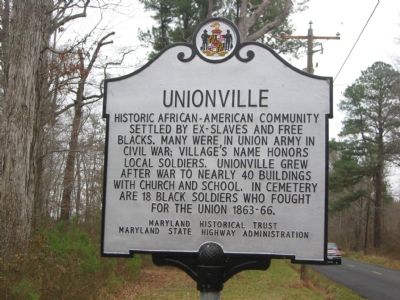
The Historic Marker Reads “Unionville. Historic African-American community settled by ex-slaves and free blacks. Many were in Union Army in Civil War. Village’s name honors local soldiers. Unionville grew after war to nearly 40 buildings with church and school. In cemetery are 18 black soldiers who fought for the Union 1863-66. Maryland Historic Trust. Maryland State Highway Administration.”
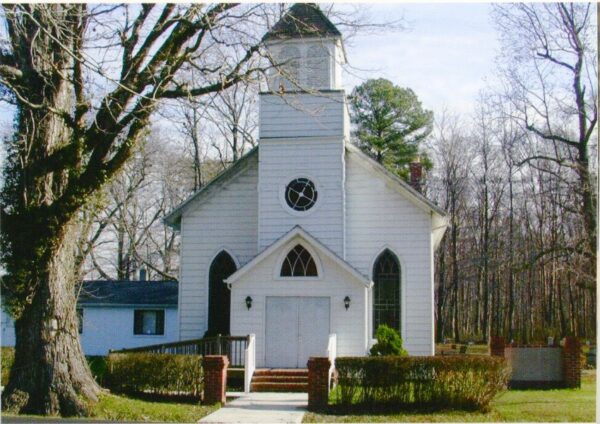
St. Stevens A.M.E. Church today in the Community of Unionville on Maryland Route 370
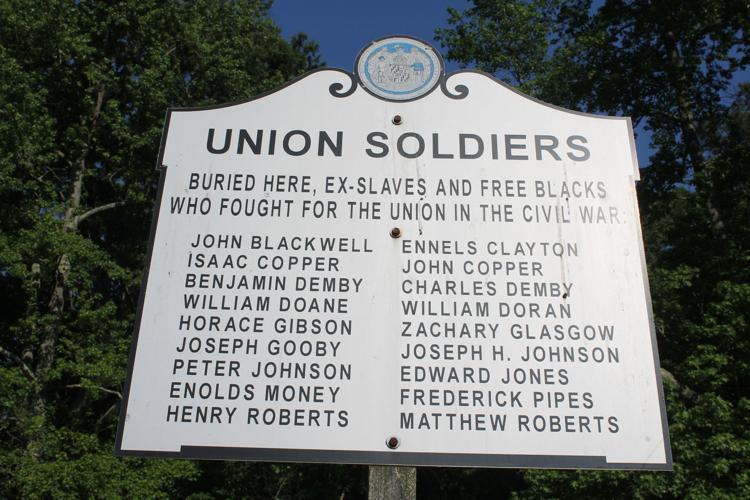
Historic Marker located in the St. Stevens A.M.E. Cemetery
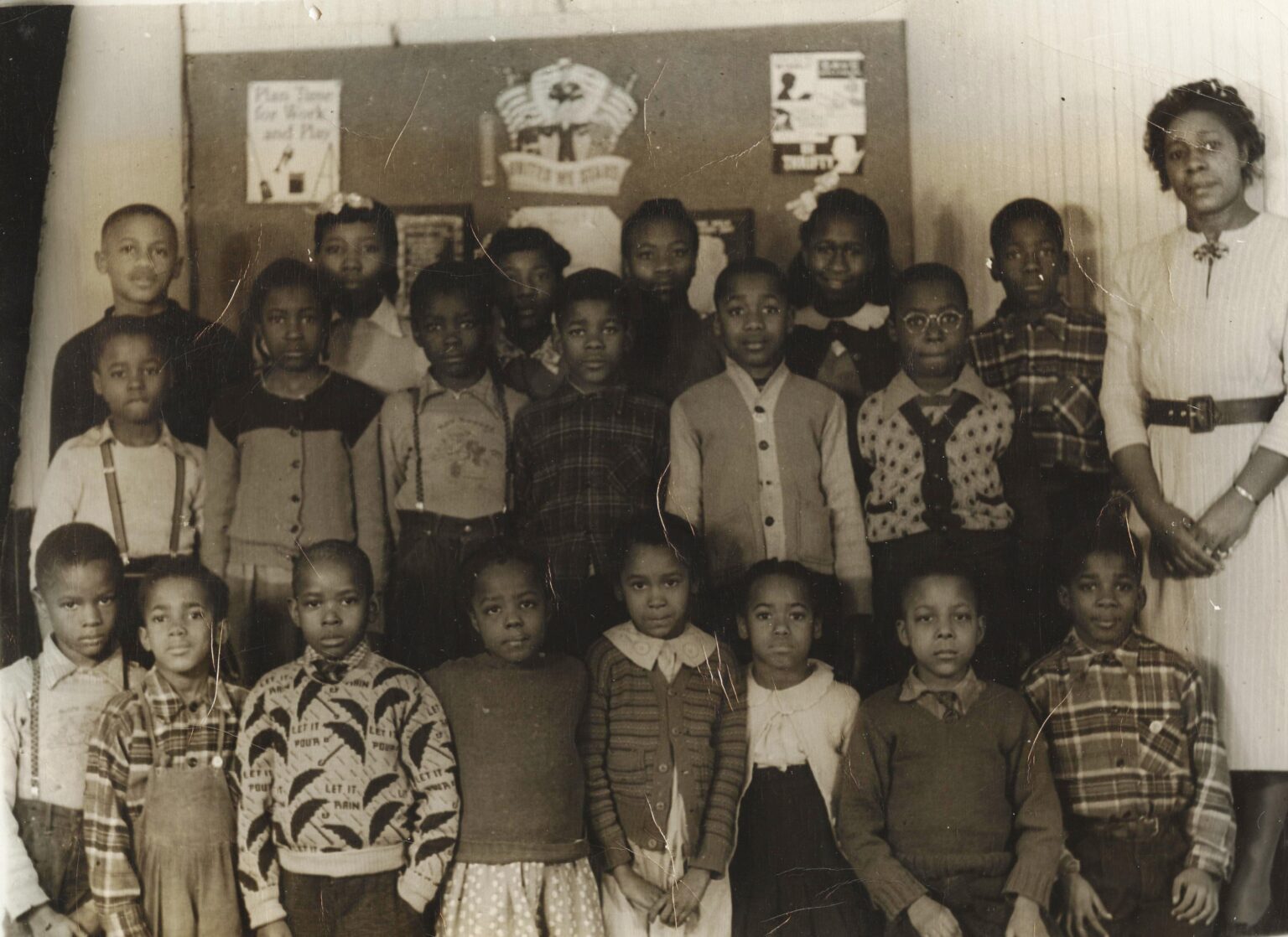
This photo is Teacher Martha Ray Chase Greene and her students at the Unionville School House. Among the students are Freddy DeShields and Theresa DeShields.
c.1948 Harriette Lowery Collection, Talbot Historical Society.
Further Reading
Books:
- Black Jacks: African American Seamen in the Age of Sail by W. Jeffrey Bolster. (Cambridge,
Massachusetts: Harvard University Press, 1997.) - The Chesapeake Bay Through Ebony Eyes by V. O. Leggett. (Maryland: Bay Media. Blacks of the
Chesapeake Foundation, 1999.)
- Bellevue Seafood Packing Company – Architectural survey file and information on the company from the Maryland Historic Trust.
- Black Men, Blue Waters: African Americans on the Chesapeake – Article by Harold Anderson, featured in the Feb-Mar 1998 “Marine Notes” by the Maryland Sea Grant
- Black watermen sail into view; History: Amateur researchers delve into libraries and family attics to find ‘unsung heroes’ of the Chesapeake Bay. – 1999 Baltimore Sun article by Heather Dewar on the opening of 2 museum exhibits surrounding African-American watermen.
- The Chesapeake Bay through Ebony Eyes. Curriculum Guide. – A curriculum guide to teach the book “The Chesapeake Bay through Ebony Eyes” to a classroom and a 2019 WMTD article by Erica Murphy on sailmaker Downes Curtis
- Life on the Bay, through ebony eyes – Chesapeake Bay Program article by Darius Stanton
- Menhaden Chanteys: An African American Maritime Legacy – Article by Harold Anderson, featured in Vol. 18 of “Marine Notes” by the Maryland Sea Grant
- W. A. Turner & Sons – Architectural Survey File and information on another Black owned seafood company by the Maryland Historic Trust
- Waters of Despair, Waters of Hope – Site from the Mariners Museum on African Americans on the Chesapeake Bay.
Videos:
- Black Captains of the Chesapeake – Promo – Promotional video for the 2014 Maryland Public Television production Black Captains of the Chesapeake, which explores the lives and work of a group of African American Head Boat Captains sailing out of Kent Narrows.
- Black Captains of the Chesapeake with Mr. Vincent Leggett – A 2021 virtual discussion hosted by the Queen Anne’s County Library.
- Blacks of the Chesapeake- Impact and Importance – A 2020 interview between Kevin Wolfe and Vincent Leggett about blacks of the Chesapeake and their impact on the area and the nation
- Interview With S. Torriano Berry – the Filmmaker Of “Black Captains Of The Chesapeake” – 2015 interview with QACTV.
- Northern Neck Chantey Singers at Chesapeake Folk Festival, Chesapeake Bay Maritime Museum – “Hailing from the Northern Neck region of Virginia’s western shore, this group of retired African American menhaden fishermen sing work-boat chanteys. Used to coordinate the rhythm of hauling in purse seine nets, these songs have their roots in West African musical traditions that made their way to the Americas through the slave trade. Performing live at the 5th Annual Chesapeake Folk Festival at the Chesapeake Bay Maritime Museum in St. Michaels, MD.”